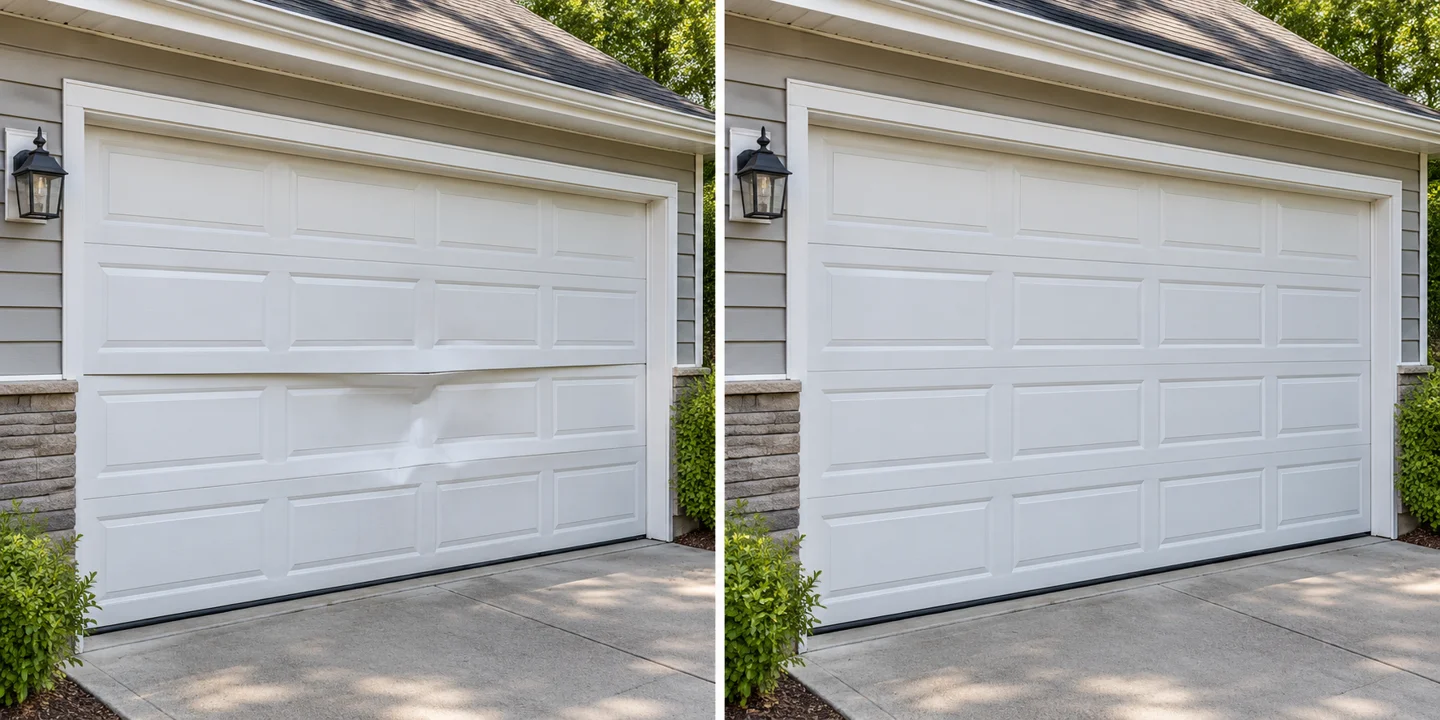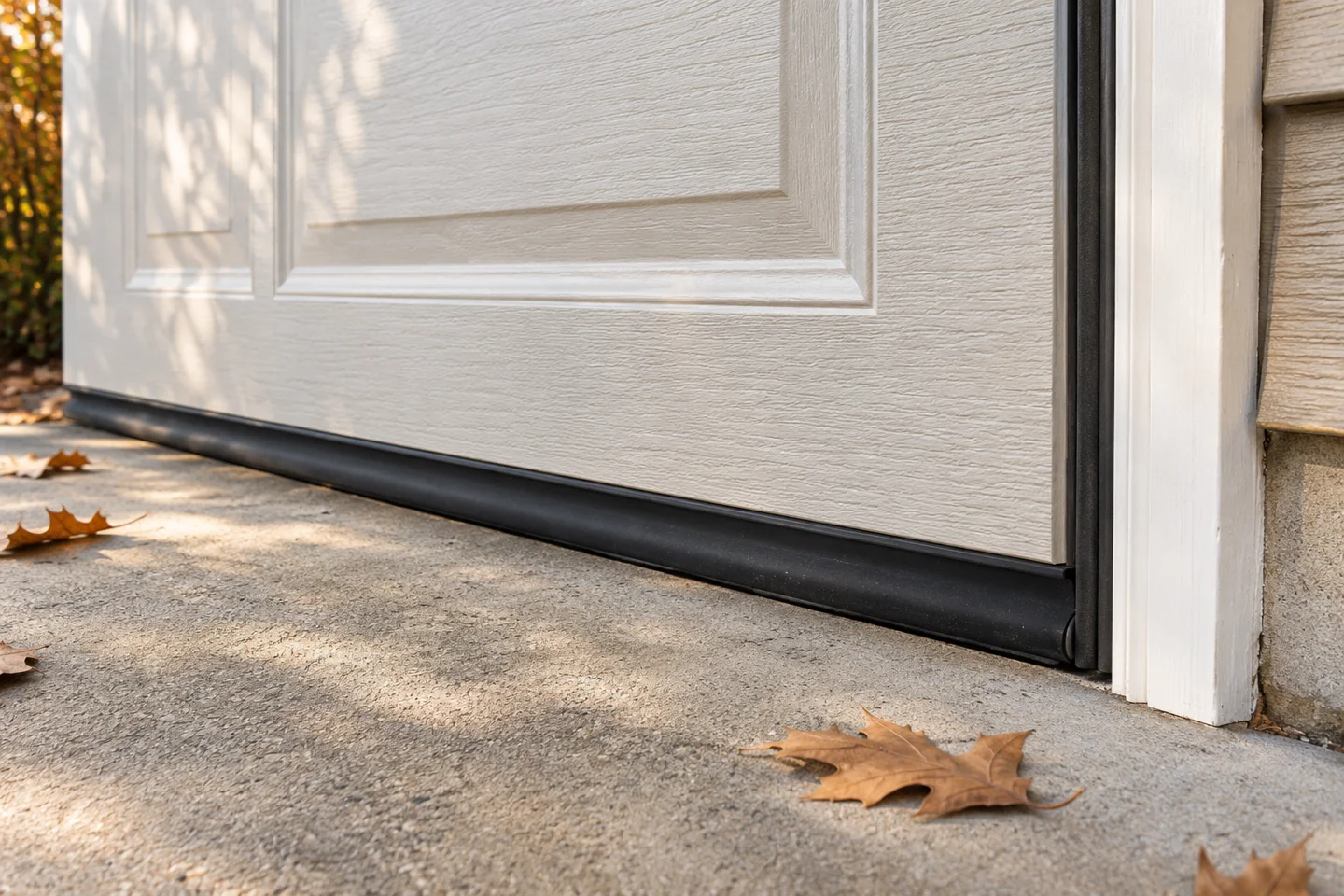
Notice a change early
A new noise, vibration, uneven movement or a door that reverses repeatedly is worth describing before it becomes part of the daily routine. Keep a simple record of when it happens and whether weather or repeated use affects it. Do not apply a product to every moving part or tighten loaded fixtures based on generic advice.
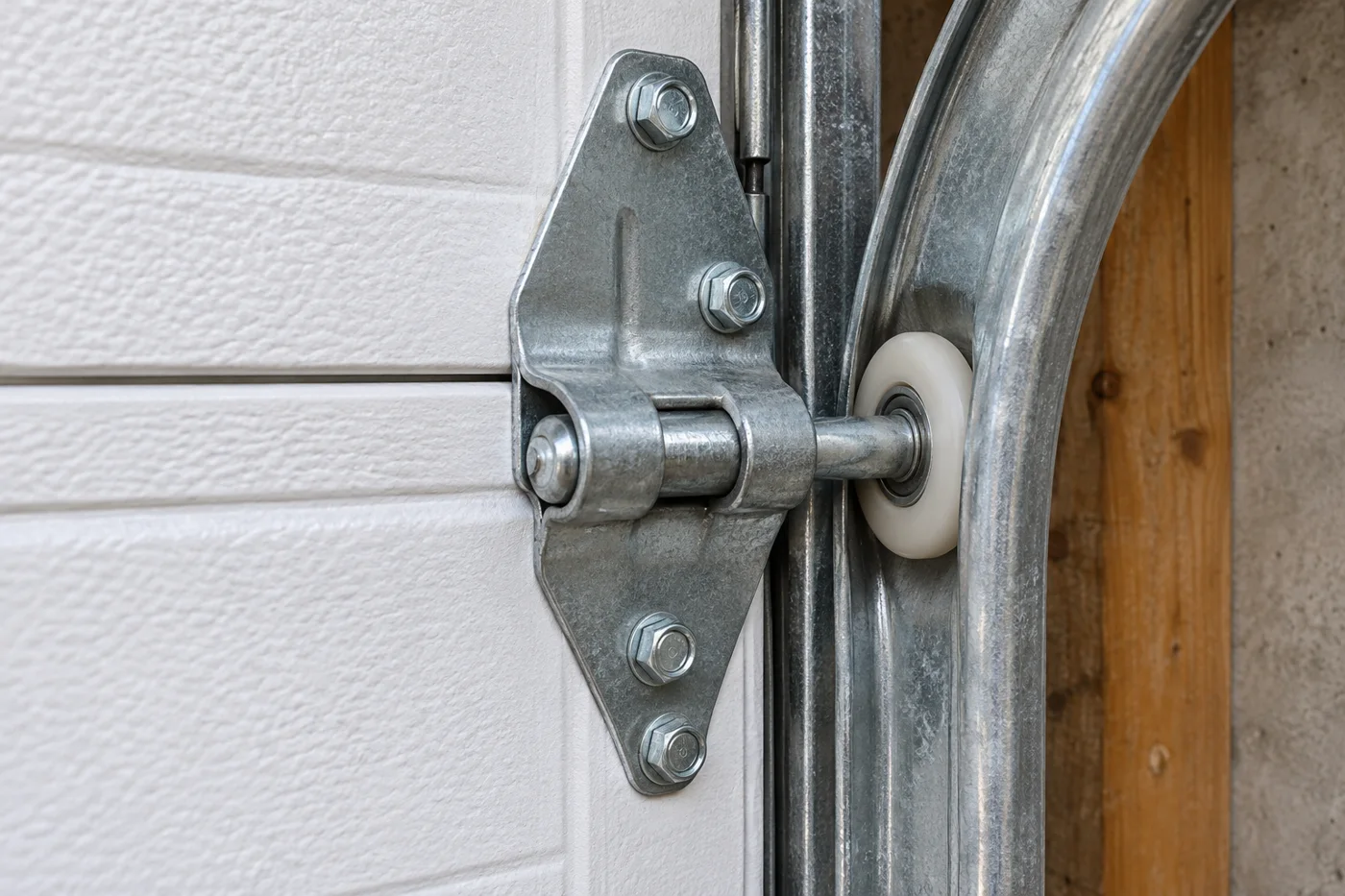
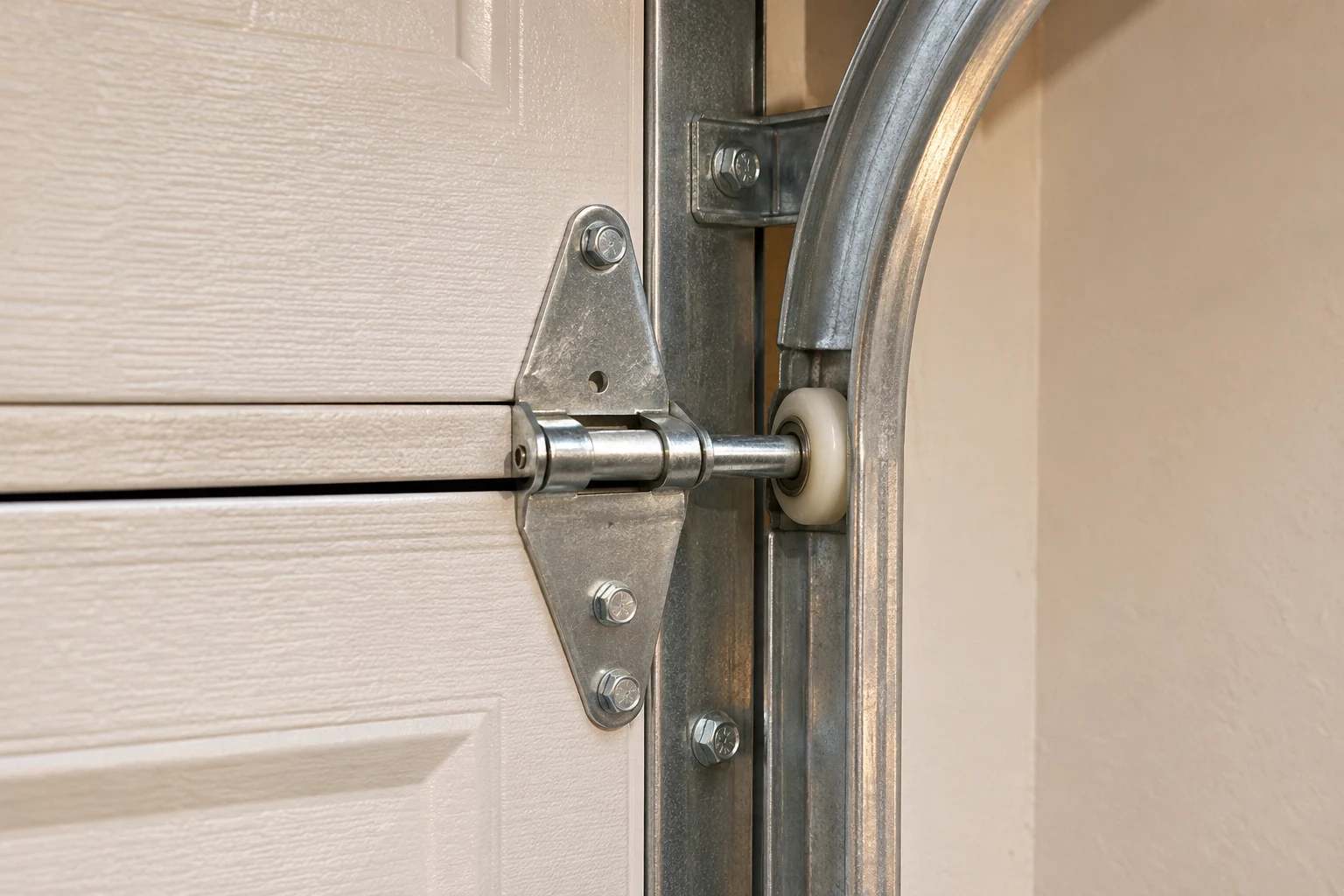
One checklist does not fit every door
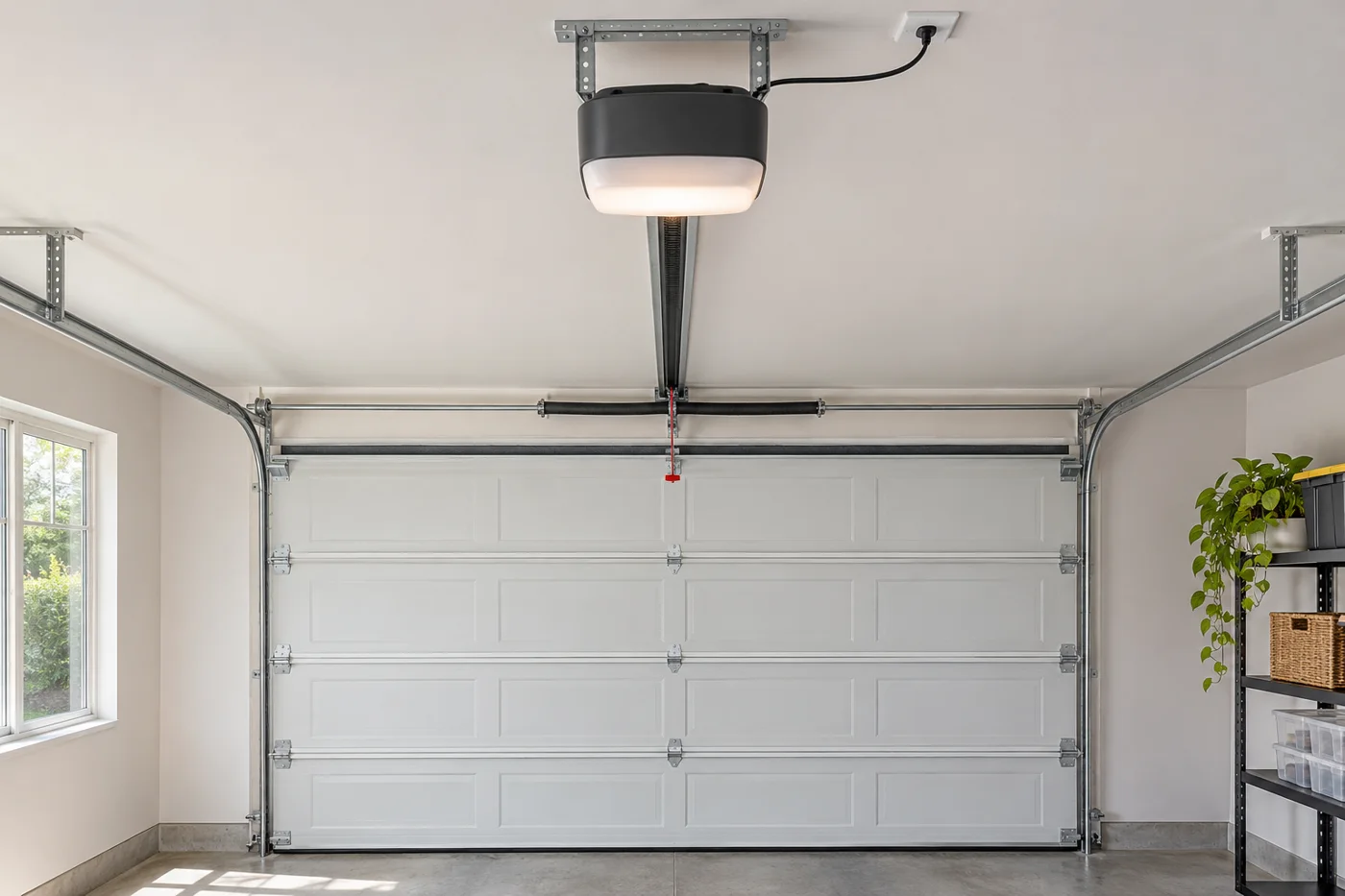
Door construction, spring arrangement, operator model and daily cycle count affect the maintenance plan. Manufacturer instructions establish which checks and products are appropriate. Tracks, rollers, hinges, seals and controls each need a different kind of attention. An operator may need diagnosis even if the panels look well kept.
Keep observation separate from adjustment
You can explain visible wear from the floor without taking responsibility for springs or cables. Keep away from pinch points and do not work beneath an unstable door. Lubrication does not correct a damaged panel, loose lifting cable or broken spring. If the door has become suddenly heavy or crooked, stop use and call about repair instead.
Ask for a system-level conversation
Mention the last known service, the age of the operator if known and any change in household or business use. Ask what the findings mean for the door as a system and which signs should prompt another call. Timing and service scope are discussed by phone.
For your local garage
West Michigan weather makes the threshold and perimeter worth a closer look. Snow, road-salt residue, damp leaves and repeated freezing conditions may affect what you see around a garage opening. Explain whether the problem follows a cold night, appears during closing or happens every time; that pattern helps the conversation without proving the cause.
A Grand Rapids city garage, a newer Ada attached bay and a rural opening farther from town can have different clearances, power access and daily use. The useful starting point is the door in front of you: its construction, travel and relationship to the space inside.