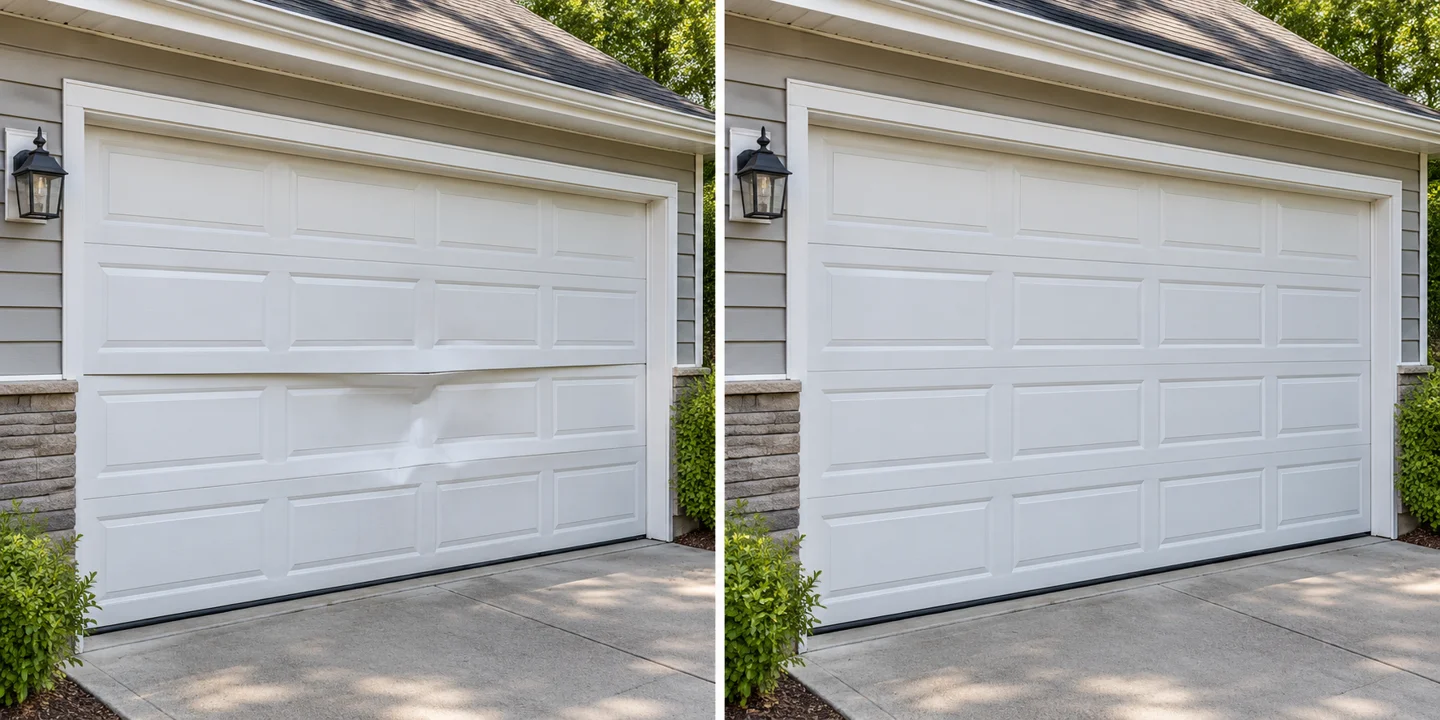
Identify the equipment first
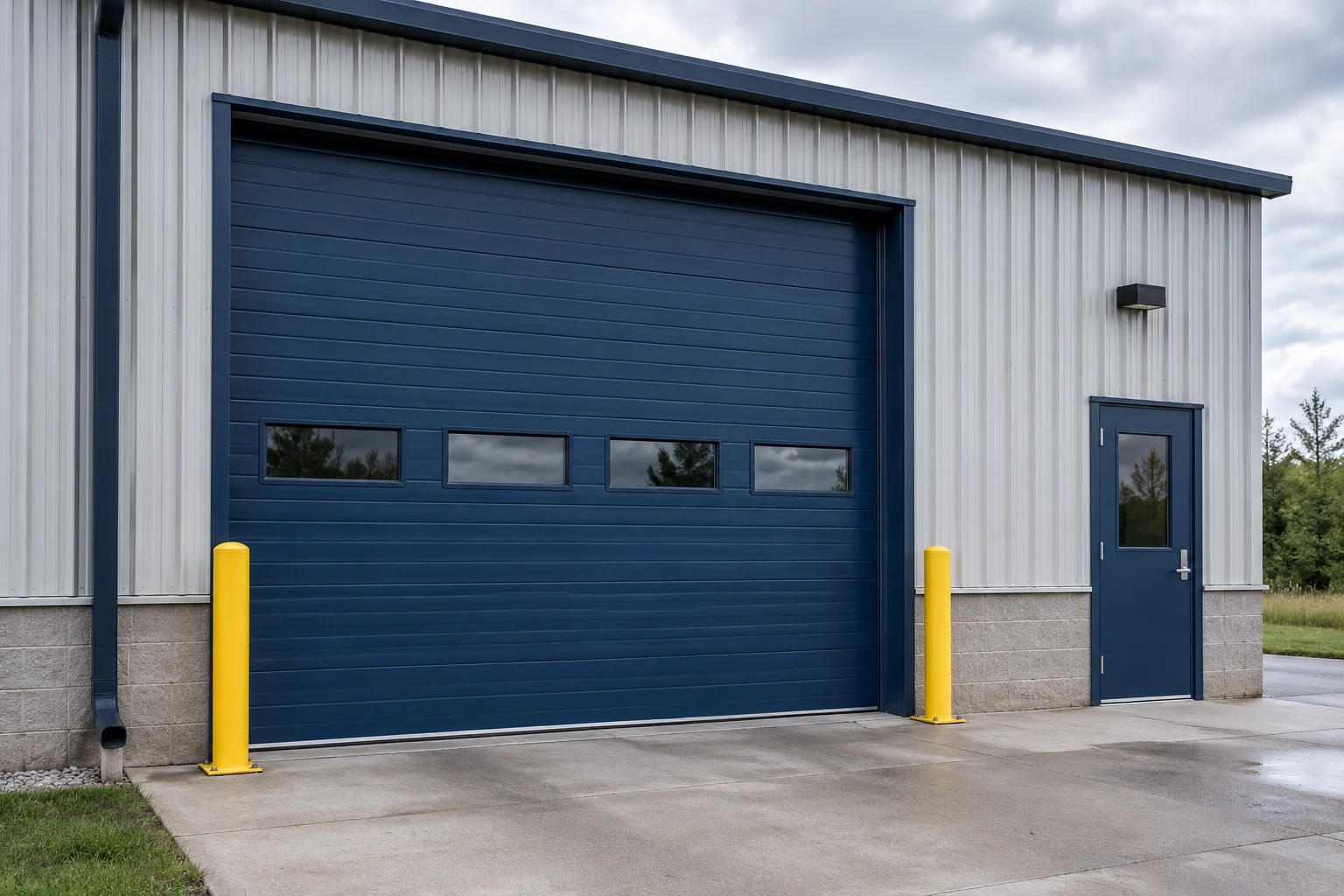
Describe whether the opening has a sectional door, a rolling curtain or another assembly. Mention the approximate opening size, operator type and how often it cycles during the day. Residential components and assumptions do not automatically apply to commercial equipment. A photo or model label may assist later, but start with the equipment description on the call.
Access and business activity matter
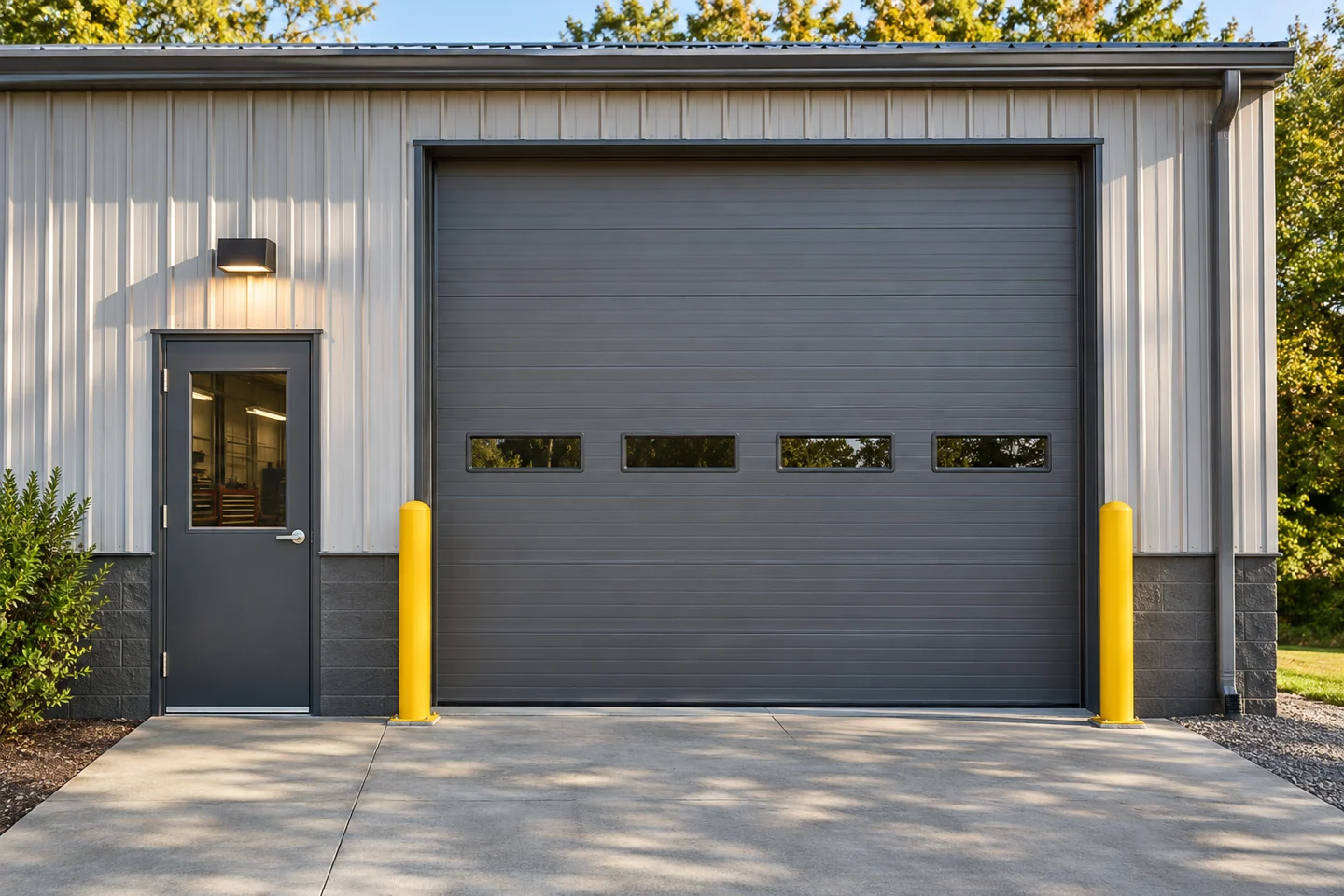
Explain vehicle movements, loading schedules, pedestrian routes and any immediate obstruction. Keep people away from an unsafe opening and use the building’s established access controls. A damaged door at a busy entrance may need a different plan from one that can remain closed. Do not continue using a leaning or unstable assembly to keep operations moving.
Clarify the scope before scheduling
Tell us about the property contact, site access, equipment history and any applicable building requirements. Specialized systems such as fire-rated, high-speed or dock equipment require separate confirmation; this website does not establish that every commercial assembly can be serviced. Call to discuss the request and the appropriate next step.
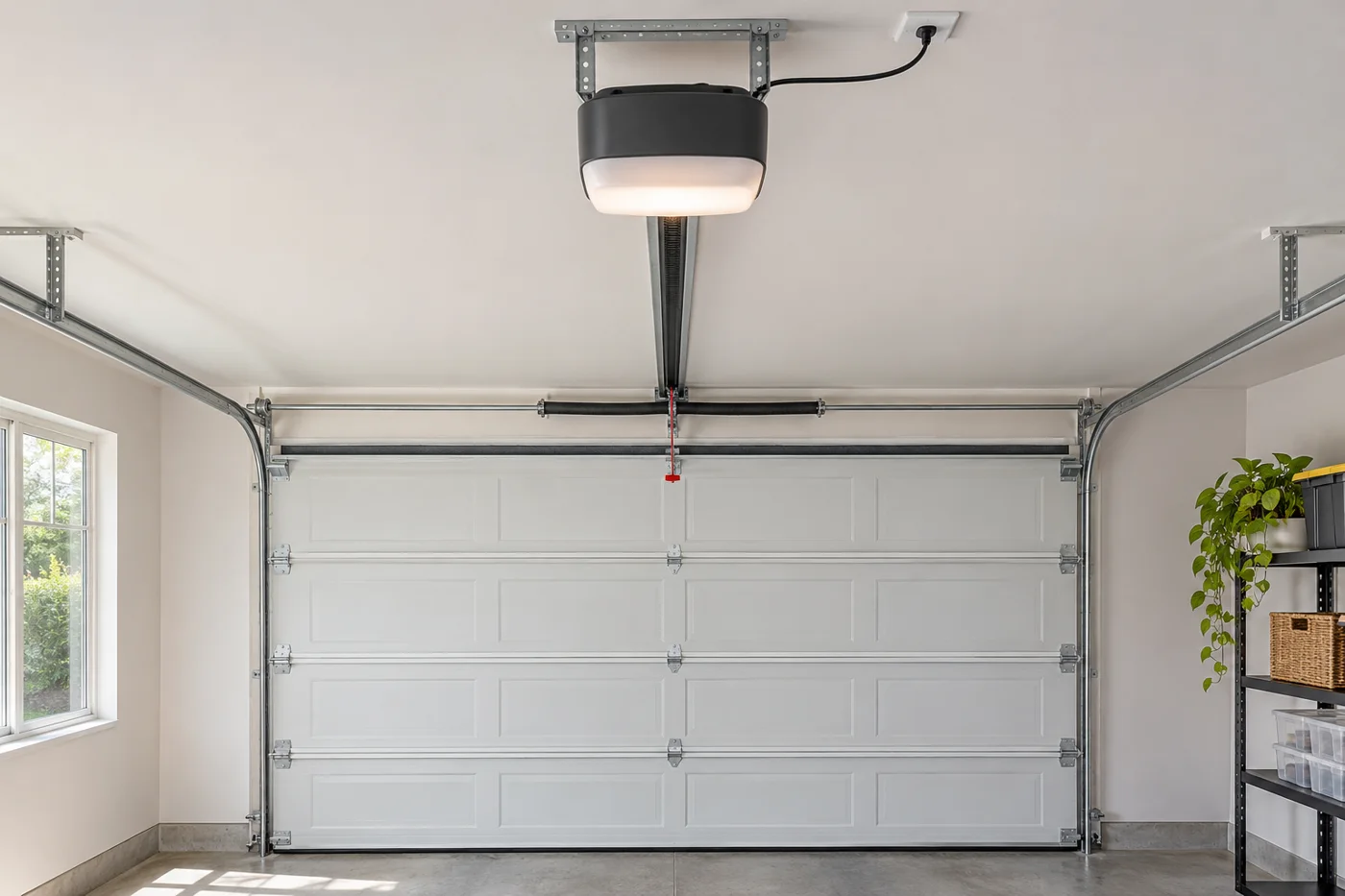
For your local garage
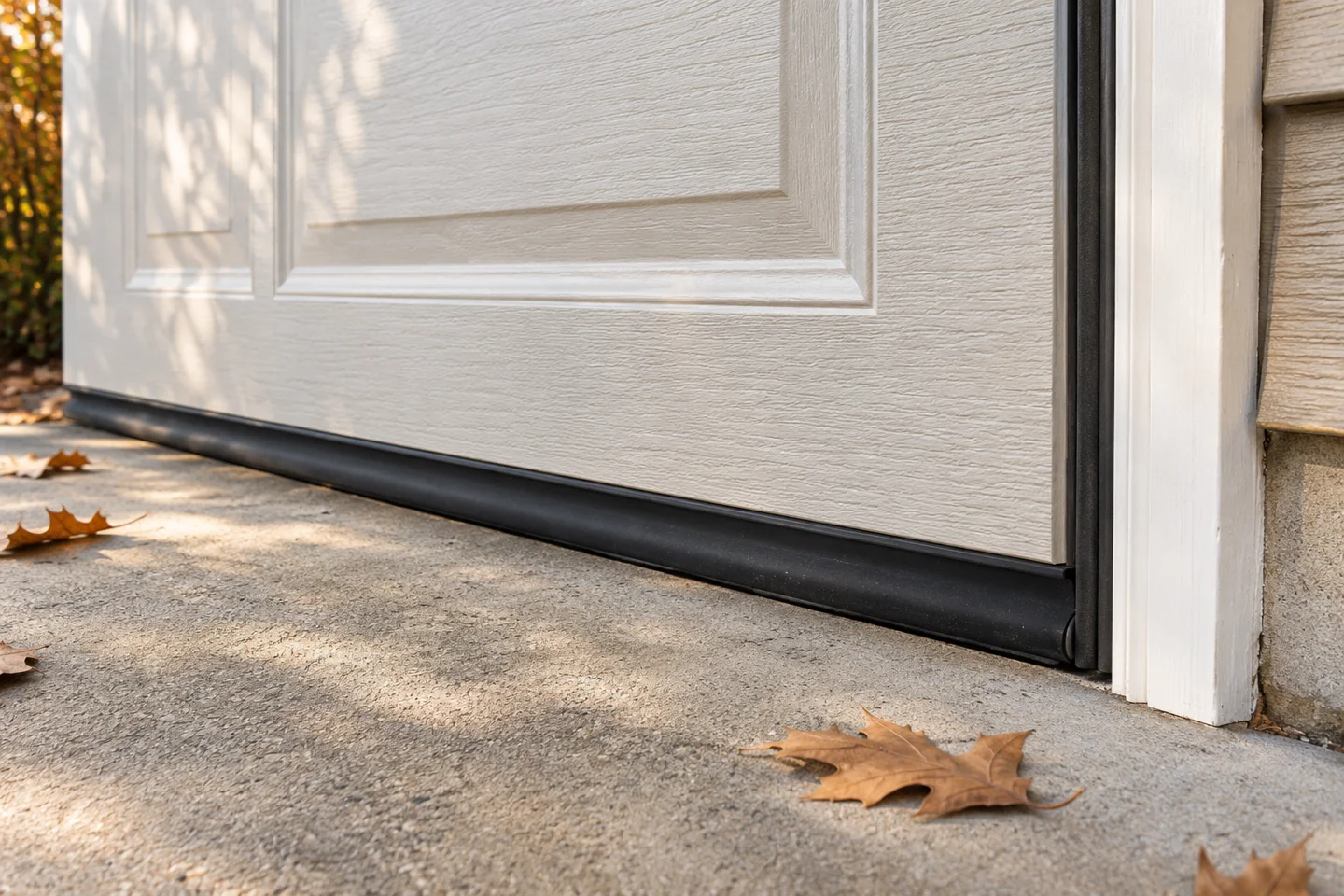
West Michigan weather makes the threshold and perimeter worth a closer look. Snow, road-salt residue, damp leaves and repeated freezing conditions may affect what you see around a garage opening. Explain whether the problem follows a cold night, appears during closing or happens every time; that pattern helps the conversation without proving the cause.
A Grand Rapids city garage, a newer Ada attached bay and a rural opening farther from town can have different clearances, power access and daily use. The useful starting point is the door in front of you: its construction, travel and relationship to the space inside.