
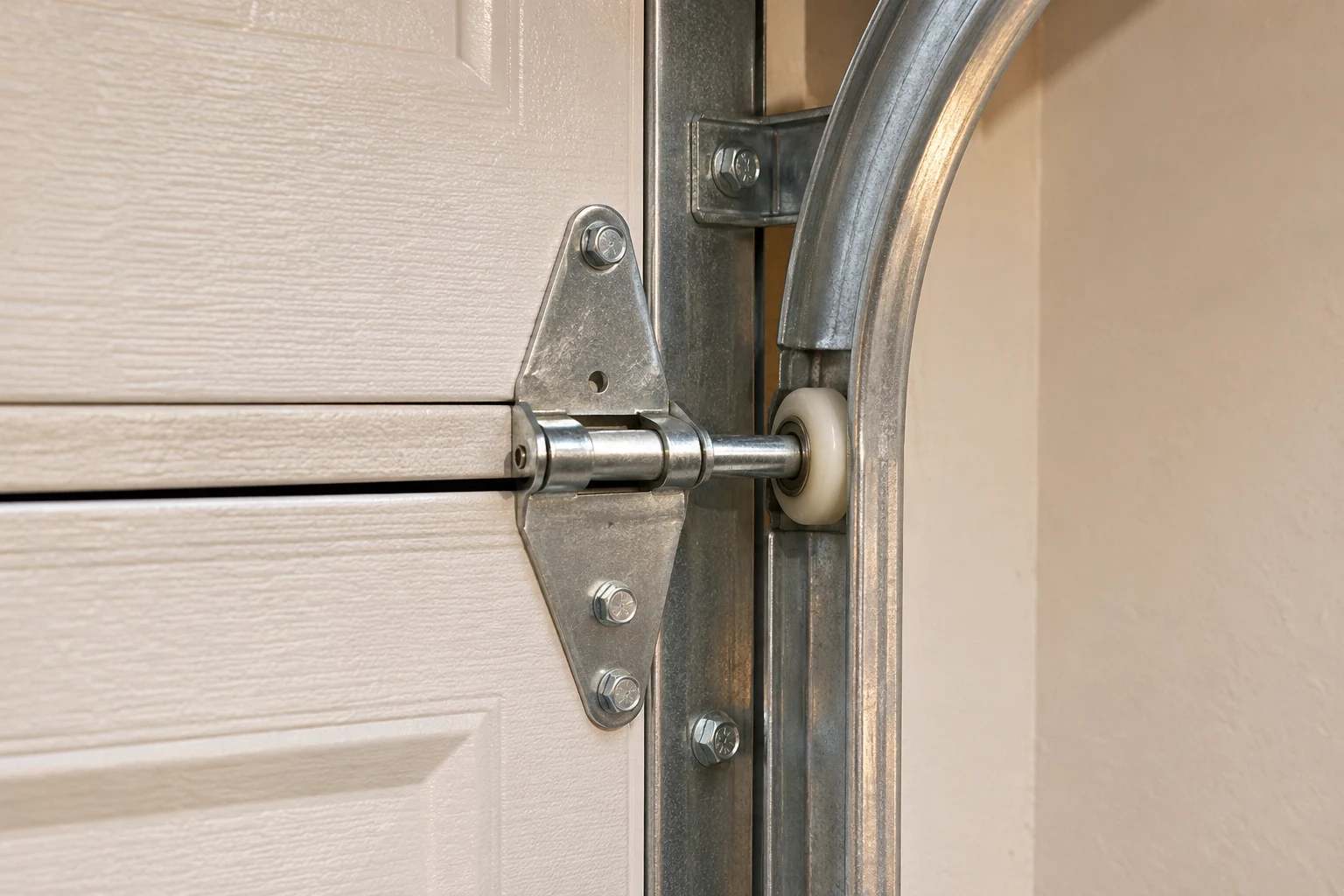
Need service? Explore the related service or call to discuss your garage.
Build a winter-ready record, not a risky DIY routine
For a Grand Rapids garage, note what changes across seasons: a new scrape, a threshold that holds moisture, a control warning or repeated reversal. Record when the symptom happens and whether it affects opening or closing. That pattern is useful even when the cause is still unknown.
Stop using a suddenly heavy, uneven or visibly damaged door. A loose cable or leaning assembly is a repair concern, not an ordinary item to lubricate. Keep people clear and do not pull a release on a raised unstable door.
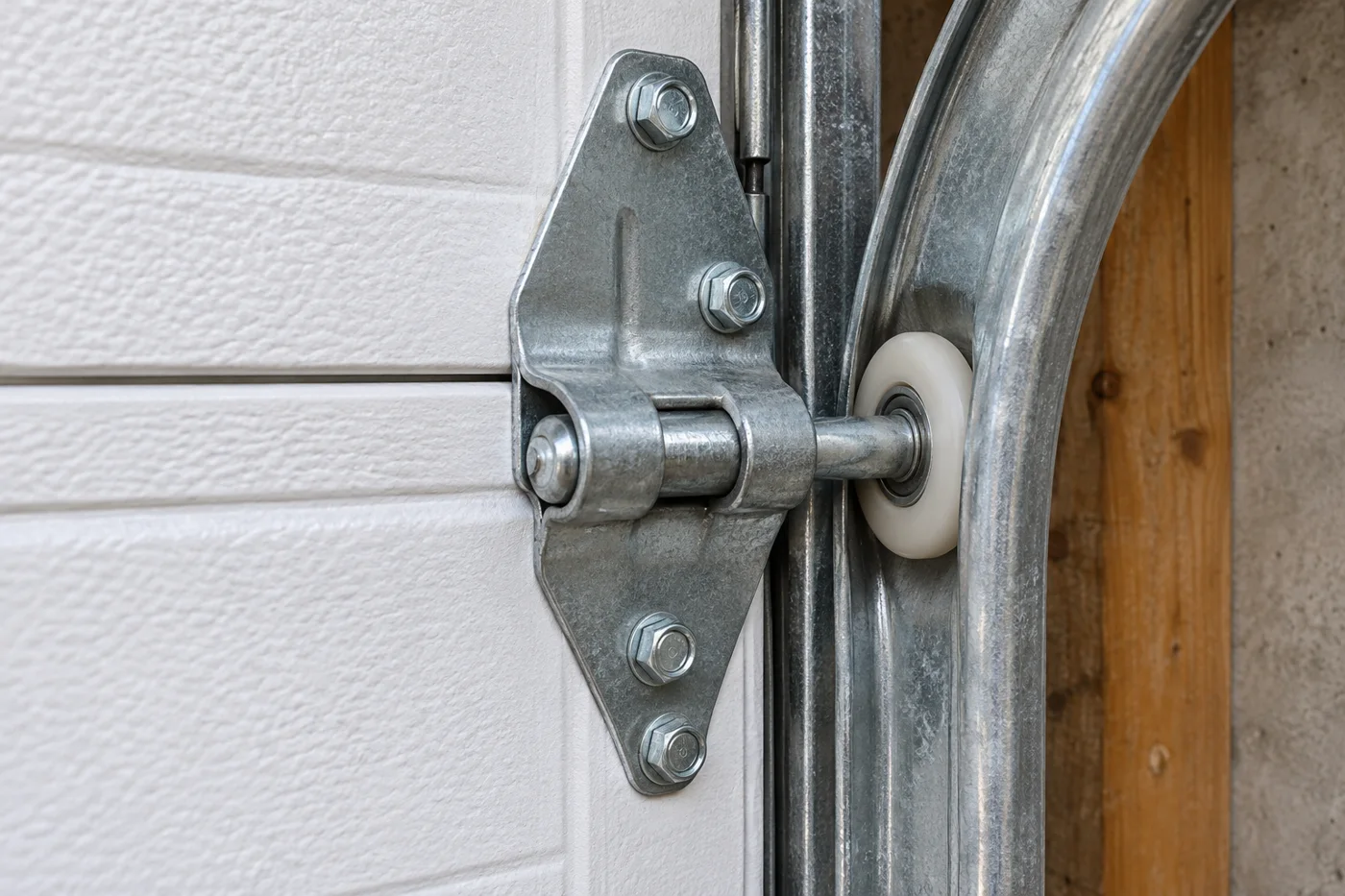
Observe safely and follow exact instructions
A door, its operator and the lifting hardware may have different maintenance requirements. Use the documents for the actual equipment rather than a universal checklist. Do not tighten loaded fixtures, adjust springs or reach near moving parts to reproduce a noise.
You can describe visible wear from the floor. Ask which observations need repair assessment and which belong to routine care. Products appropriate for one component may not be appropriate elsewhere.
| Keep a note of | Example of useful detail |
|---|---|
| Movement | Stops at the same point while opening |
| Controls | Wall button works but remote does not |
| Opening | Water or debris at a particular edge |
| History | Impact, operator change or repeated adjustment |
Include the way the garage is used
A bay used many times each day and a storage opening used occasionally have different routines. Mention whether the space is attached, heated or used for work. Storage and access near the tracks matter too. The service conversation should relate those facts to the equipment.
Keep model information and service history together. If the door has been changed, insulation added or the operator replaced, say so. A modification can affect compatibility and balance even when the panels look familiar.
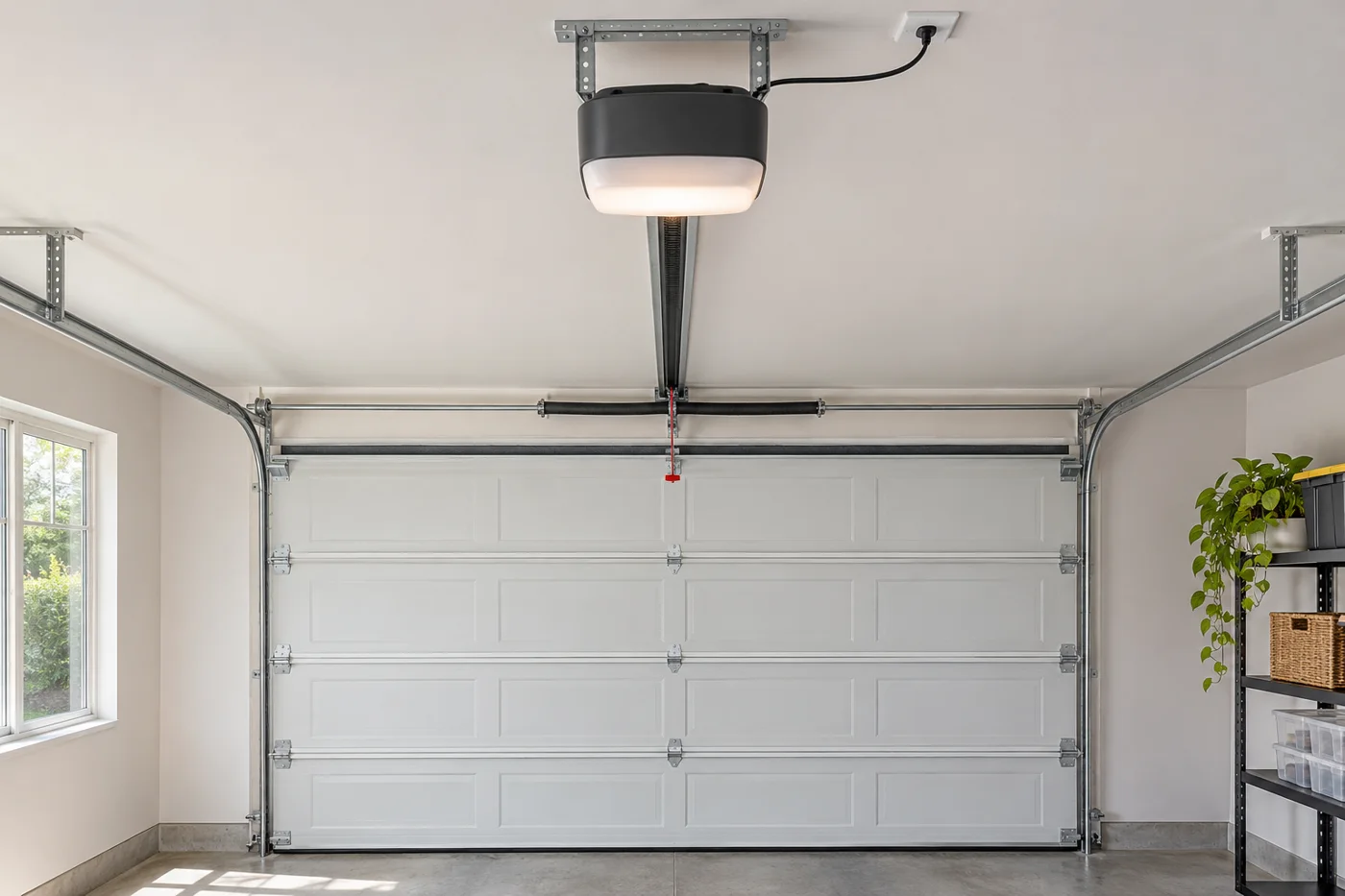
Avoid a maintenance checklist that hides a fault
A door can look clean and still have a balance, attachment or control concern. Ask the service conversation to distinguish what was observed from what was adjusted or serviced. If a finding needs a separate repair decision, have that explained rather than assuming a routine visit resolves everything.
Changes such as added insulation, a new operator or altered storage near the opening should be mentioned. They can affect the way the garage is used and how equipment fits. Keep those changes in the service record so the next assessment does not have to infer the history from appearance alone.
Separate long-term planning from an active fault
A new-door or insulation discussion can be useful, but an unstable door needs its immediate condition assessed first. Lubrication cannot correct damaged lifting hardware or an unsupported panel arrangement. Do not use extra operator force to compensate for a problem.
Call with the observation record and safely accessible model details. Ask what the proposed visit will inspect and how findings will be explained. The appointment scope and timing are confirmed by phone; you do not need to diagnose the fault before contacting us.
Further reading
Follow the instructions for your exact door and operator. This guide supports recognition and planning; work on loaded lifting hardware belongs with a trained door-systems technician.
DASMA: Garage door system safety ↗U.S. CPSC: Automatic garage door opener safety ↗