
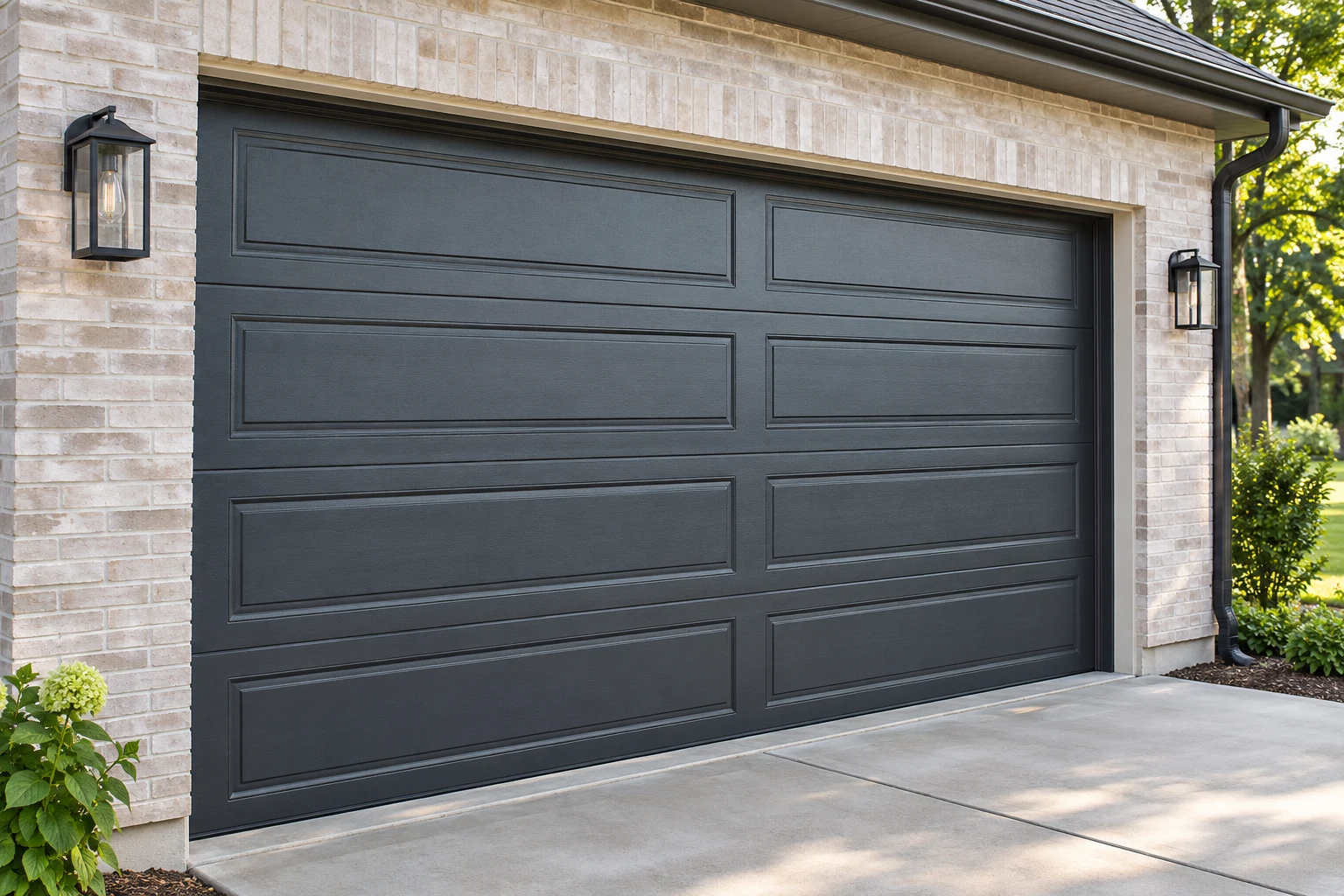
Need service? Explore the related service or call to discuss your garage.
Preserve the right things, replace the right things
A replacement plan for a Grand Rapids garage should state what is being changed and what is being kept. Panels, tracks, lifting hardware, seals and the operator are related but separate parts of the decision. Ask why reuse is appropriate wherever it is proposed.
An older city garage with little headroom and a newer attached Ada bay may need different arrangements. Begin with the actual opening and daily use. A product photograph cannot establish clearance, threshold condition or compatibility.
Compare the assembly rather than a style name
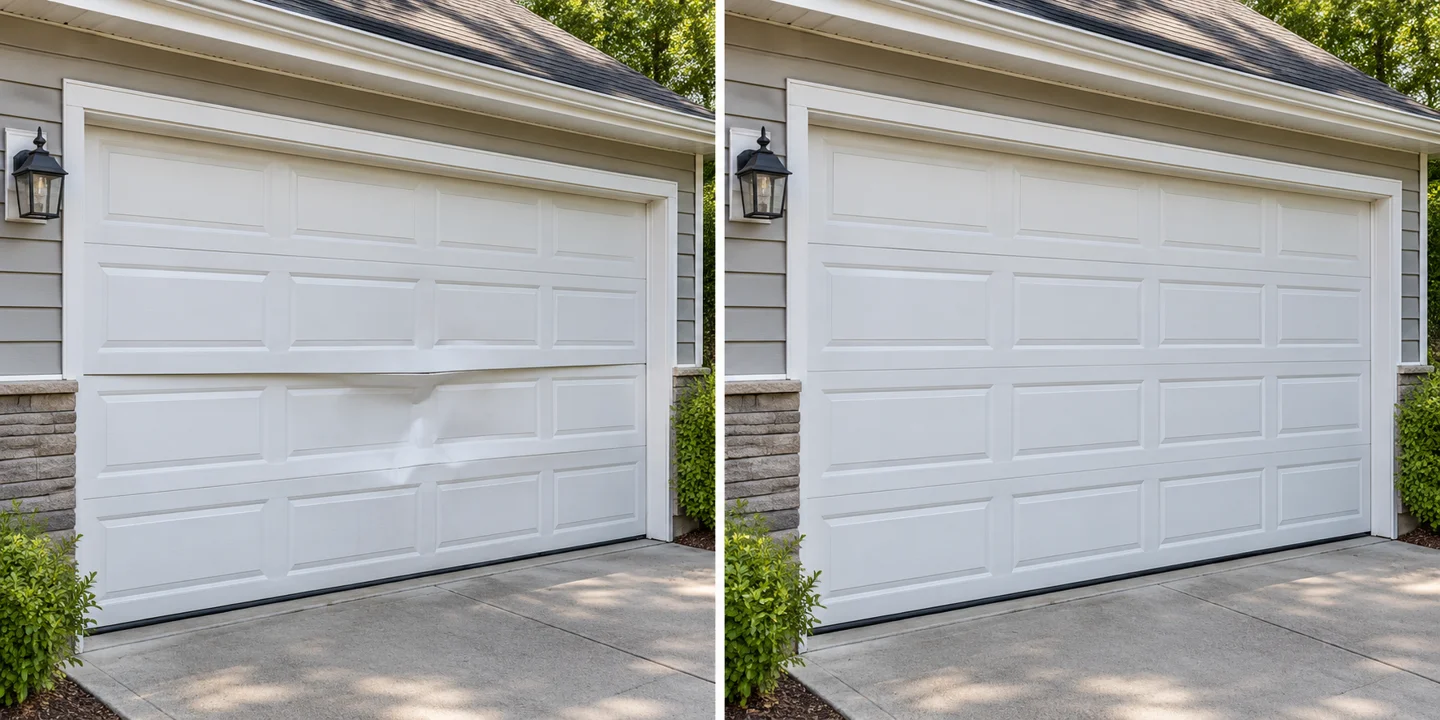
The proposal should identify construction, dimensions, windows and hardware. Two similar-looking doors can be different assemblies. Ask whether removal of the existing door and final checks are included, and whether the operator is being reused or handled as separate work.
If a section-only repair is suggested, ask how the section is matched to the existing door. Color and panel pattern alone are not sufficient. The condition of the rest of the assembly and the availability of compatible parts affect the options.
| Comparison point | Keep the question specific |
|---|---|
| Panels | Exact product and construction |
| Lifting hardware | Matched arrangement for the door |
| Operator | Compatibility and condition |
| Perimeter | Seals and the existing opening |
Think through the West Michigan setting
If the garage is attached or used as a workspace, comfort and sound may be part of the selection. Insulation belongs in that conversation alongside windows and perimeter condition. It does not establish that every draft or moisture issue in the building will disappear.
Mention snow or water at the threshold, visible deterioration and any prior impact. Those conditions may need their own assessment. Clarify whether another building repair sits outside the door work instead of assuming a new panel assembly addresses it.
Decide which problem replacement should solve
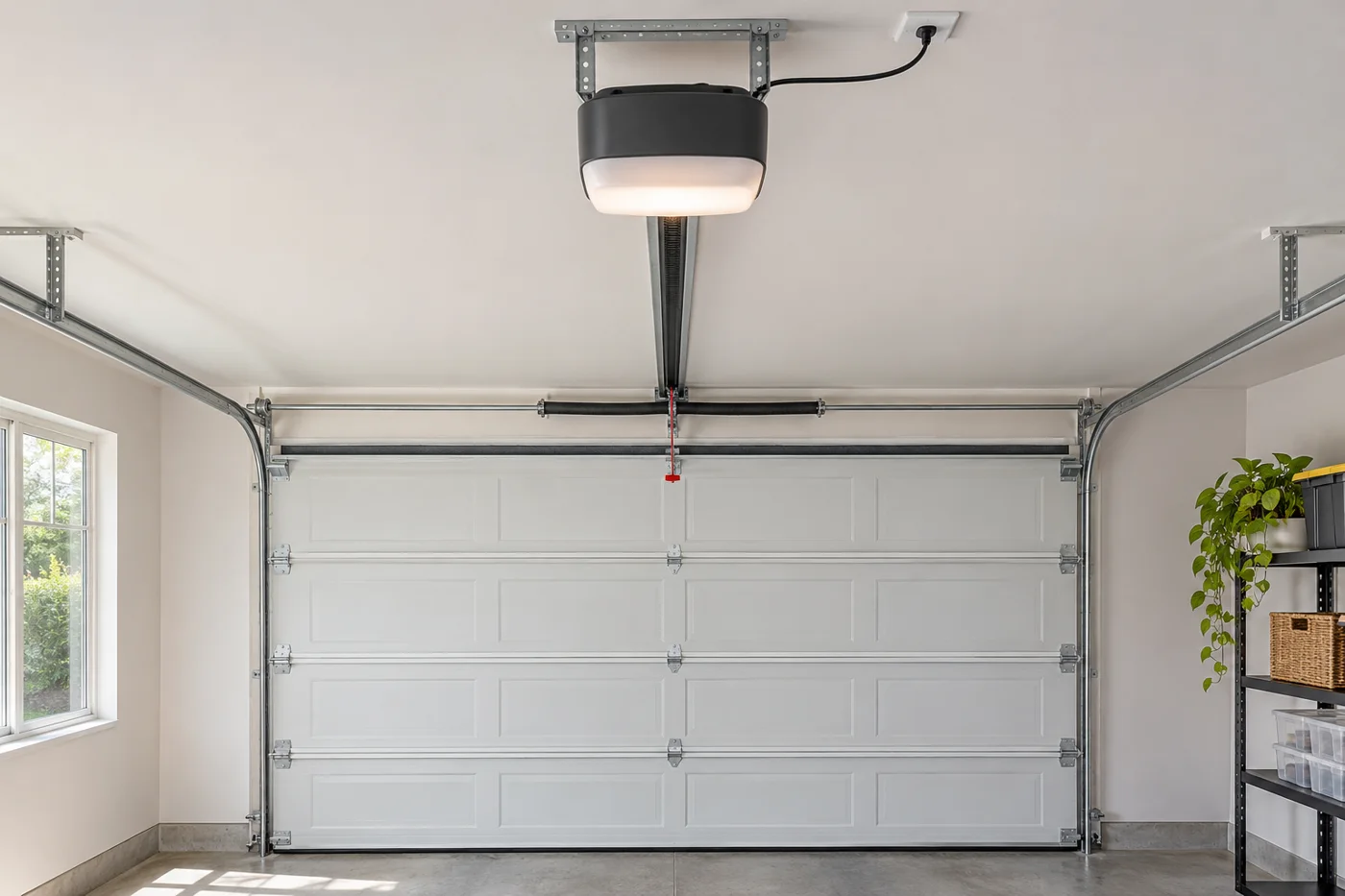
It helps to name the goal: restoring a damaged assembly, changing the exterior appearance, improving the use of the space or resolving repeated faults. Those goals can overlap, but they are not interchangeable. A control fault may need diagnosis even when a new panel style is attractive. A deteriorated door may need a broader discussion than an operator upgrade.
Bring that goal into the first call and ask how the proposed assembly addresses it. Keep optional features distinct from the work required at the opening. That makes the comparison more useful than treating every replacement option as the same kind of change.
Ask about the day after installation
A useful handover explains operation, applicable safety checks and the instructions for the exact equipment. Ask how to use the release under appropriate conditions and which maintenance guidance to keep. Retain the model information with the service record.
Call with the reason for the change and any access restriction. A door that has become suddenly heavy or crooked needs its immediate condition discussed first. Replacement is a decision about the assessed assembly, not an automatic response to every remote or motor symptom.
Further reading
Follow the instructions for your exact door and operator. This guide supports recognition and planning; work on loaded lifting hardware belongs with a trained door-systems technician.
DASMA: Garage door system safety ↗U.S. CPSC: Automatic garage door opener safety ↗