
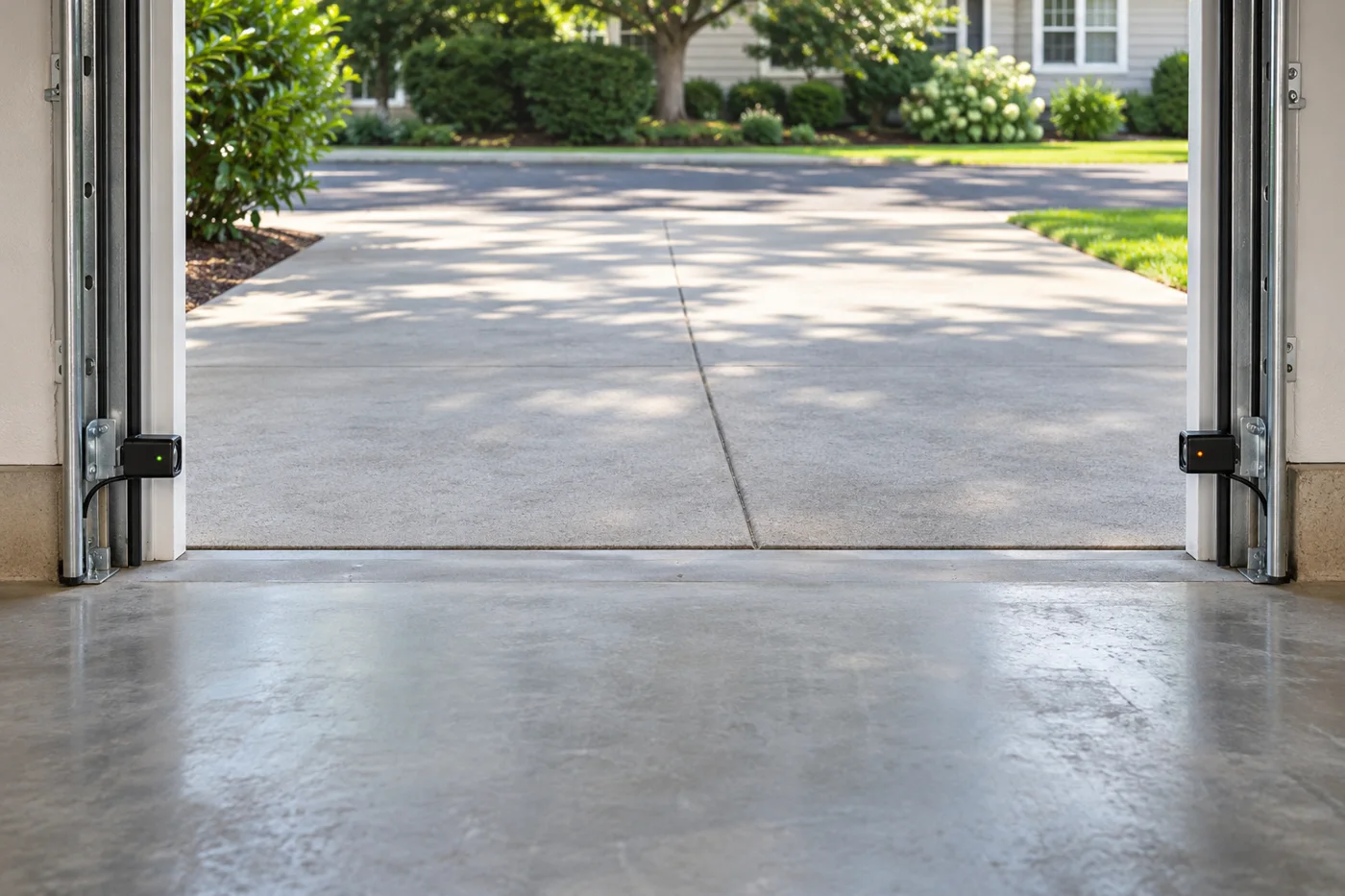
Need service? Explore the related service or call to discuss your garage.
Compare the problem before comparing proposals
A door that will not open is a symptom, not a complete repair specification. It might involve controls, an operator, lifting hardware, a damaged section or travel through the opening. Start with the sequence and the present position of the door. If it is crooked or a cable is loose, stop operation and keep clear.
Grand Rapids garages range from compact city openings to attached and separate bays farther out. Explain yours: access, headroom, storage and whether another entrance exists. The physical conditions belong in the first discussion.
Ask for findings in plain language
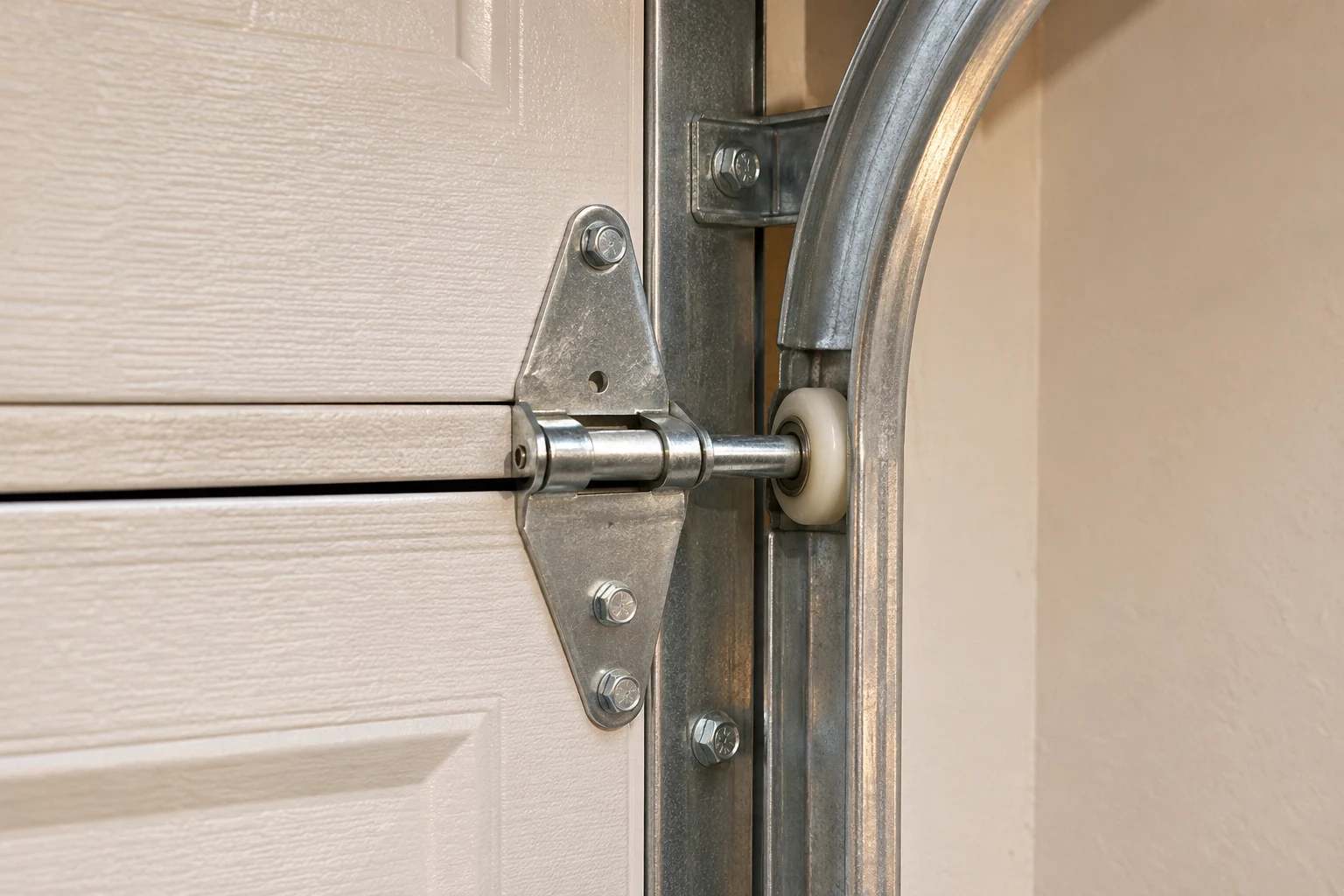
A proposed repair should explain the cause found and the work intended to address it. Ask what is necessary for the fault, what related wear was observed and what is optional. Those distinctions let you compare scopes without selecting parts yourself.
A panel repair requires compatibility, not simply a similar appearance. A motor change should not mask a lifting-system fault. Ask why the chosen approach suits the complete assembly and whether another option is appropriate after inspection.
Make a useful comparison sheet
Keep the proposal tied to your door and the included work. Different descriptions can cover different components, access steps or final checks. An unexplained broad label makes the comparison harder, even when it sounds familiar.
| Write down | Why |
|---|---|
| The fault found | Connects the repair to the symptom |
| What changes | Makes components and scope visible |
| What remains | Clarifies reuse and compatibility |
| Final checks | Connects repair to safe operation |
Use past repairs as evidence, not a diagnosis
If the same symptom returned after earlier work, explain what was changed and when the problem reappeared. That history can help direct the assessment. It does not establish that the previous component is again the cause. A repeating scrape or reversal should be described by its sequence and position rather than a guessed part name.
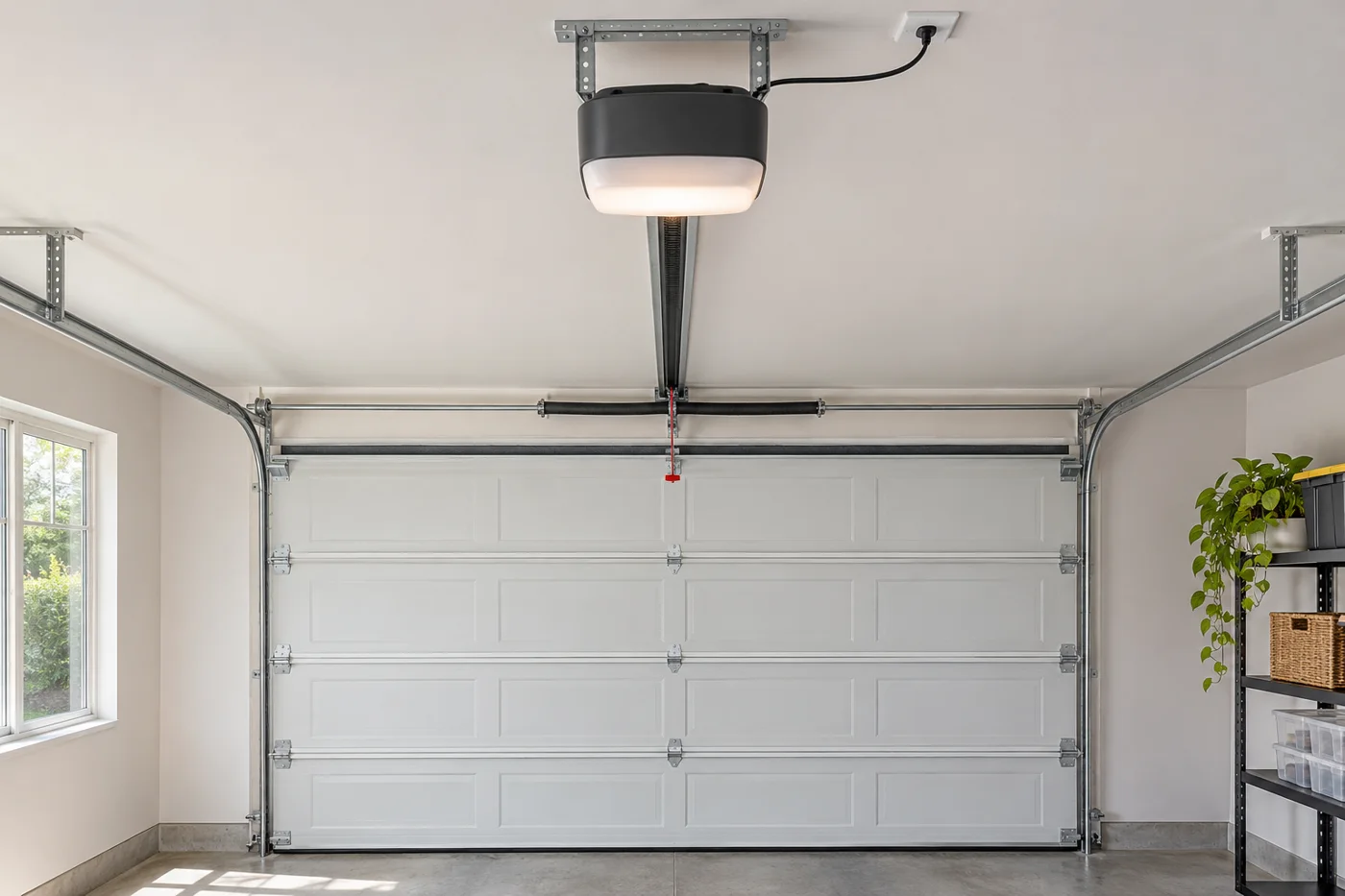
When discussing another proposal, compare it with the actual past scope. An operator replacement and a lifting-hardware repair address different things. Ask what the new findings show and why the proposed work fits the present condition of the complete assembly.
Keep weather context and diagnosis separate
A symptom after snow, a cold night or damp weather is useful to report. It is not enough to establish the failed part. Water at a threshold and a control warning may be separate concerns. Explain each one rather than assuming a single solution.
Call 24/7 with the symptom, address and access details. Do not repeatedly cycle an unstable door while waiting to discuss service. The assessment determines the work; suitability and appointment timing are confirmed by phone. Begin with springs for a heavy door or openers for a control-only question.
Further reading
Follow the instructions for your exact door and operator. This guide supports recognition and planning; work on loaded lifting hardware belongs with a trained door-systems technician.
DASMA: Garage door system safety ↗U.S. CPSC: Automatic garage door opener safety ↗